professional technicians providing Denver Auto Mechanic
Get back on the Road With Trust - Reliable Auto Servicing
Trustworthy auto repair is necessary for vehicle safety and performance. A dependable shop supplies extensive repairs, from routine checks to urgent repairs. Identifying when your vehicle requires help can be tricky. Many drivers have difficulty finding trustworthy mechanics. Consistent maintenance is fundamental to maintaining your car's longevity. Yet, the uncertainty about pricing and interactions with repair specialists can leave one confused. Which actions can drivers pursue to confirm their vehicles remain prepared for the road?
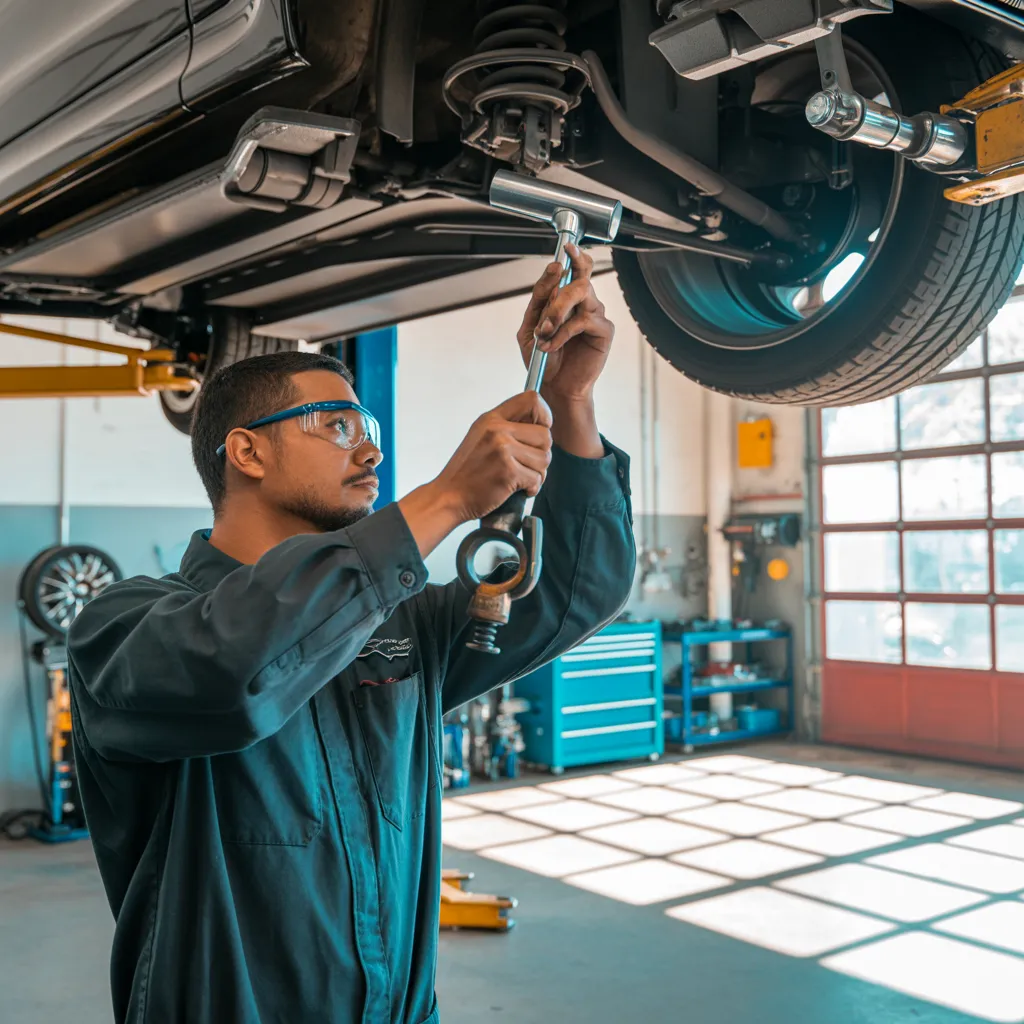
Identifying When Your Car Needs Service
How can one know when a vehicle needs servicing? There are various key indicators that signal a need for attention. Unusual noises, such as grinding or squeaking, often indicate brake or engine issues. Warning lights on the dashboard, particularly the check engine light, should not be ignored, as they signal potential problems that call for immediate investigation. Additionally, a reduction in performance, such as sluggish acceleration or difficulty starting, can also indicate underlying mechanical issues.
Visual indicators, such as oil seepage or uneven tire deterioration, are further warnings that servicing is required. If the car drifts to one direction while operating, this could indicate alignment problems or tire complications. Regularly observing these elements can help guarantee prompt maintenance, avoiding more serious damage and expenses in the future. In summary, being attentive and forward-thinking is crucial for preserving your car's condition.
How to Locate a Trustworthy Auto Repair Shop
Locating a trustworthy repair facility can be a tough job for vehicle owners. To begin, individuals should ask for recommendations from friends, family, or work associates. Personal experiences often impart pertinent information into a shop's standard of service. Internet-based reviews and marks on networks like Yelp or Google can further help evaluate customer satisfaction.
Next, verifying certifications and affiliations with recognized industry organizations, such as the Automotive Service Excellence (ASE), can indicate a shop's dedication to quality practices. It is recommended to visit potential shops for an initial consultation, allowing owners to evaluate cleanliness, organization, and customer service.
Furthermore, acquiring written estimates before any work commences can prevent misunderstandings regarding costs. Finally, a reliable shop should be open about its services and willing to detail repairs. By adhering to these steps, vehicle owners can improve their chances of locating a reputable auto repair shop.
Why Regular Vehicle Service Is Important
While many vehicle proprietors may overlook regular maintenance, regular car make a move upkeep is indispensable for ensuring a car's lifespan and superior functionality. Skipping maintenance can create a string of issues, from minor inconveniences to major repairs. Regular inspections, such as lubricant replacements, tire rotations, and brake evaluations, can prevent costly repairs and strengthen driving safety.
Furthermore, ongoing maintenance helps preserve a vehicle's fuel efficiency, reducing overall maintenance expenses. It also safeguards the trade-in value; a well-kept car is often more desirable to interested buyers.
Committing to scheduled maintenance cultivates a sense of responsibility among owners, encouraging them to stay informed about their vehicle's needs. By emphasizing maintenance, vehicle owners not only protect their investment but also contribute to collective safety on roads. Ultimately, consistent vehicle care is a preventive strategy that benefits both the owner and the larger community.
Understanding Maintenance Costs
Interpreting maintenance expenses can often prove confusing for automobile proprietors. Various factors influence these expenses, including labor rates, parts pricing, and the difficulty of the repair work. Labor charges fluctuate considerably depending on area and establishment, typically mirroring the technician's expertise and the business's operating expenses. Additionally, the selection of parts employed—if OEM or replacement—can substantially influence the overall bill.
Vehicle age and model also play a role; vintage or rare models may require specialized parts that are more expensive and harder to source. Moreover, unexpected issues can emerge during repairs, causing extra expenses that were not foreseen at first. By acquiring general awareness of these elements, vehicle owners can address repair assessments with greater confidence and make informed decisions regarding their car-related necessities.
How to Plainly Articulate Car Issues to Your Technician
Effectively communicating car problems to a technician can significantly improve the assessment and fixing process. When describing problems, car drivers should be specific about symptoms, such as unusual noises, vibrations, or warning lights. Providing details on when the issue happens—whether during acceleration, stopping, or running at rest—can also help the technician pinpoint the problem.
It is beneficial to document any recent alterations in how you drive or service records. Employing simple, direct communication avoids ambiguity, allowing the mechanic to comprehend the situation better. Owners should refrain from employing specialized terminology unless they are certain in its meaning.
Moreover, providing files, including service records or previous repair invoices, can supply context. A detailed description not only enables swift diagnosis but also creates a collaborative relationship between the car owner and the mechanic, ultimately enabling effective repairs.
Developing a Long-Lasting Relationship With Your Auto Repair Shop
Establishing a lasting relationship with an auto repair shop depends on trust and transparency. Reliable high-quality service strengthens this connection, while open dialogue lines ensure that customers are listened to and appreciated. Together, these elements establish a relationship that benefits both the customer and the mechanic.
Establish Reliability By Clear Communication
When customers feel knowledgeable about the services their vehicles need, confidence naturally arises between them and their auto repair shop. Transparency in communication is important; it allows clients to understand the justification behind suggested repairs and maintenance. Auto repair shops that provide clear explanations, accurate estimates, and open discussions create a sense of trust among their clientele. This openness not only simplifies the repair process but also empowers clients to make well-considered decisions. Furthermore, sharing information about the shop’s qualifications, warranties, and service history enhances credibility. By prioritizing transparency, auto repair shops can build lasting relationships, encouraging return business and customer loyalty. Ultimately, trust through transparency lays the foundation for a more dependable and reliable auto repair experience.
Uniform Quality Service
Consistent reliable service is the basis of a lasting relationship between customers and their auto repair shop. When customers get trustworthy and responsive repairs, they are more likely to return for ongoing care. This reliability fosters trust, allowing customers to have confidence in the competence of the technicians. Over time, as customers see the same high standards being upheld, a sense of loyalty develops. Regularly performed quality checks and adherence to industry standards guarantee that vehicles are not only restored but also kept in good condition to forestall subsequent problems. Such devotion to excellence creates an atmosphere where customers are appreciated, knowing their vehicles are in capable hands. Ultimately, this commitment to consistent quality service strengthens the bond between auto repair shops and their clientele.
Establish Messaging Pathways
Effective communication serves as an important link between clients and their auto repair shops, strengthening trust and understanding. Open lines of communication foster a collaborative setting where clients feel valued and educated. When repair shops provide detailed explanations regarding offerings, prices, and timelines, customers can make more informed decisions about their vehicles. Frequent updates during repairs can reduce anxiety and build trust in the shop's expertise. Conversely, clients who communicate their worries and preferences contribute to a more tailored service. This two-way dialogue not only strengthens connections but also promotes dedication. By prioritizing open dialogue, auto repair shops can build a standing for reliability, ensuring that customers return for upcoming requirements, assured in the service they will receive.
Common Questions Posed Often
What Can I Do if My Car Fails Without Warning?
If a vehicle stops working unexpectedly, the driver should safely pull over, turn on hazard lights, assess the situation, and call for roadside assistance or a tow service if needed. Staying calm is important.
How Can I Know if a Mechanic Is Dependable?
To assess a mechanic's credibility, one should review ratings, obtain recommendations, check certifications, and ensure transparency in pricing. A trustworthy mechanic will speak plainly and supply detailed explanations of required maintenance and solutions.
Do vehicle repair warranties available?
Several auto repair shops provide warranties on their services and parts, typically ranging from 90 days to several years. Customers should inquire regarding specific terms and conditions to guarantee adequate coverage for their repairs.
What Basics Should I Store in My Car for Critical Moments?
A properly maintained vehicle should include a spare tire, jack, jumper cables, flashlight, first aid kit, basic tools, and tire pressure gauge. These vital components help ensure safety and handle minor issues during unexpected emergencies on the road.
How Do I Set My Car Ready for Seasonal Changes?
To make prepared a car for climate shifts, one should check liquid amounts, check tires for tread and pressure, test the battery, replace wipers, and make sure lights operate as intended for best safety and operation.